Research and knowledge
Source-grounded briefs and comparisons that keep uncertainty visible.
 Kaizenic AI
Bring us a consequential workflow. We work with the people who know it to decide whether AI fits, define a useful result, build around their context, then test and hand it over for the team to own.
A good starting point has a real owner, repeatable work, and a result that matters to the business.
Source-grounded briefs and comparisons that keep uncertainty visible.
Relevant responses for routine requests, with unclear cases routed for human review.
Drafts shaped around editorial standards, with release under an editor’s control.
Discovery stays close to delivery, so the team can assess the result on real work before it becomes a larger commitment.
Map the workflow with its owners and decide whether AI can improve quality, speed, or capacity enough to justify a change.
Define the output, relevant evidence, difficult cases, and how the result will be assessed.
Create the smallest fitting product or workflow, connected to the tools and review it needs.
Test representative work, refine the result, and make ongoing ownership clear to your team.
Useful automation is not maximal automation. We define approved sources, permitted actions, named owners, and escalation paths as part of the product itself, then make those responsibilities clear at handover.
YapaneseAI is our in-house AI product. Morima Attorneys is external website and legal-resource work.
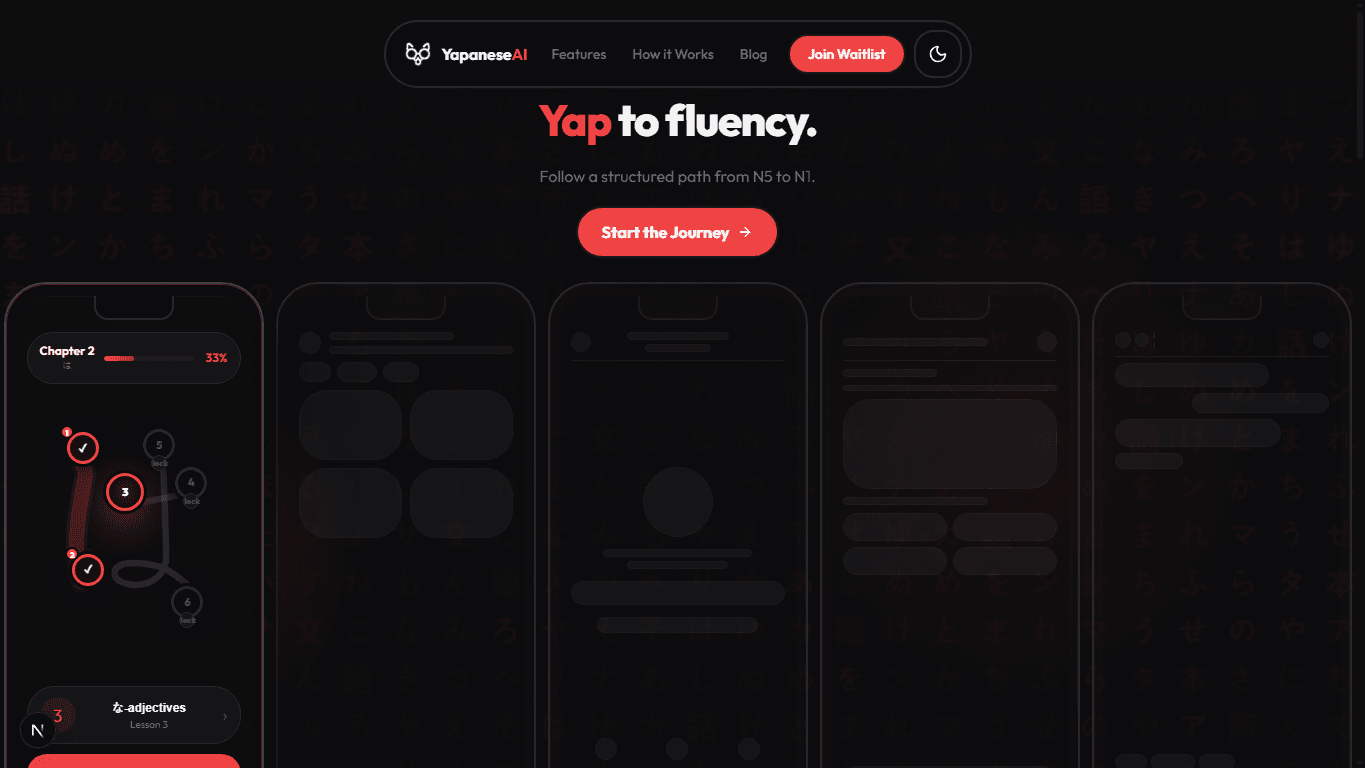
YapaneseAI connects structured Japanese lessons and resources to AI calls, messages, and journal practice with feedback. It gives us a product of our own in which the learner-facing output is part of the experience we design and improve.
Visit Yapanese →
A public website and legal-resource system for a Botswana law firm, organised around practice areas, direct contact, and confidential support routes.
Visit the website ↗Describe the output your team needs and what happens today. We'll help determine what is worth building to produce it.
Discuss a workflow →